Crusher hire for property developers
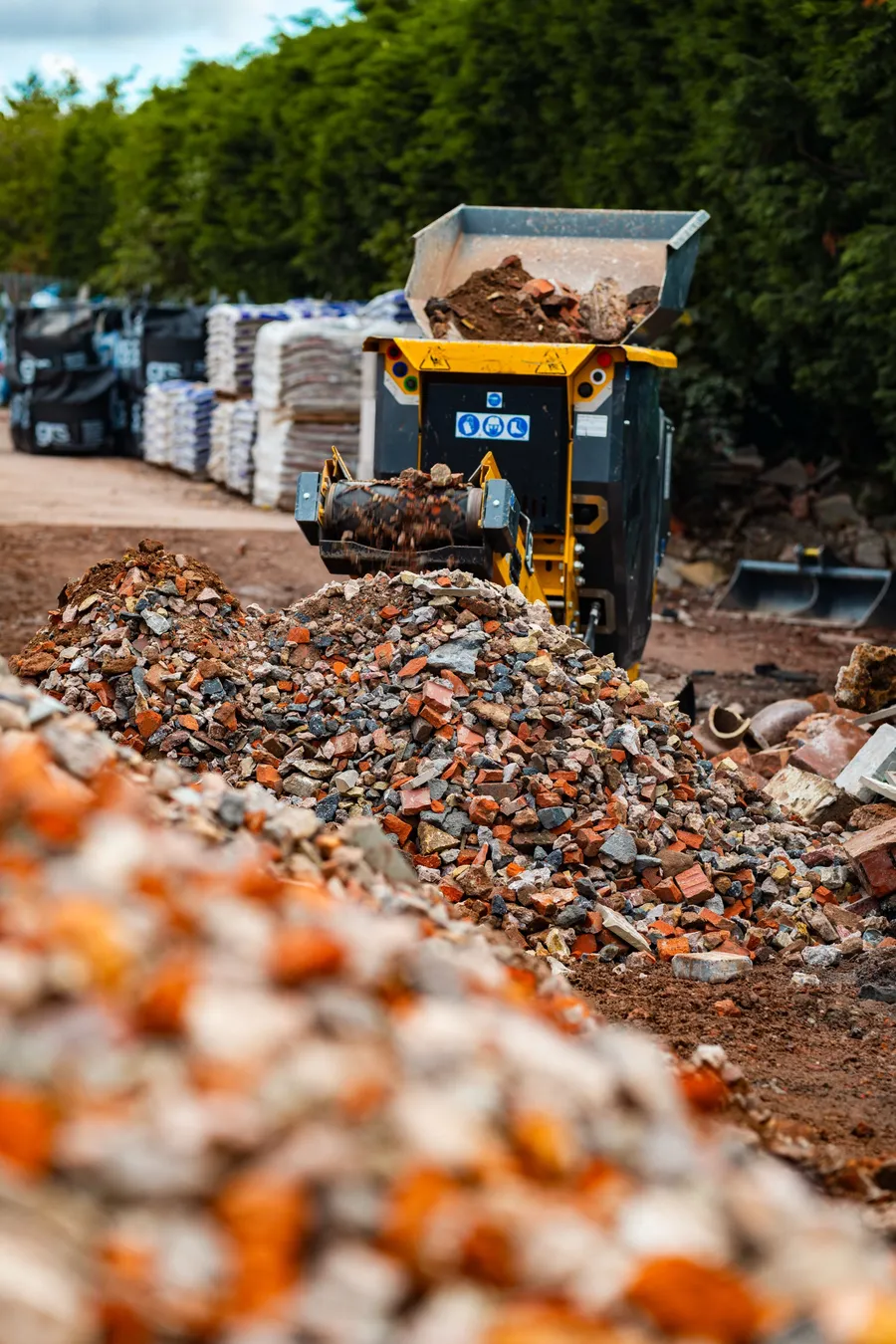
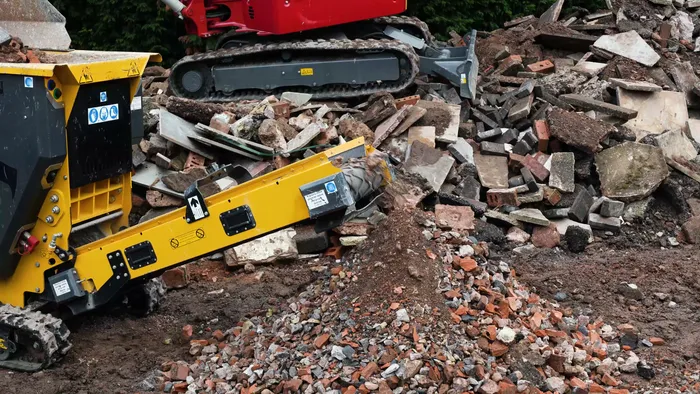
Garage courts, old yards and tired commercial units all start with hard material to clear. The CR450 crushes it where it lies, ready to go back down as piling mat, access road or car park sub-base for the scheme.
Brownfield sites bring their own aggregate
National planning policy in England now points small developers at exactly these sites. Since 17 August 2026 the NPPF has said development within settlements should be approved unless the harm substantially outweighs the benefits. It also gives substantial weight to building on old service yards, lock-ups and car parks that are no longer needed. Every one of those sites arrives with concrete, block and brick to deal with before anything new goes up.
Small schemes are usually financed site by site, so in our view every week before the build starts is a week of interest. Waiting for grab lorries to clear the rubble, then for stone to be delivered, stacks up those weeks. With a CR450 on site you crush as you clear and lay it straight back down. Each load that leaves needs a waste transfer note kept for two years, so fewer loads also means less paperwork.
- Crush yard slabs, garage bases and strip-out rubble on site
- Lay it back as piling mat, access road or car park sub-base
- Fewer loads off site and fewer transfer notes to file
- 970mm wide for back-land, infill and courtyard access
- Delivered to sites across Shropshire, Mid Wales & the West Midlands
How property developers use the CR450
Garage courts & yards
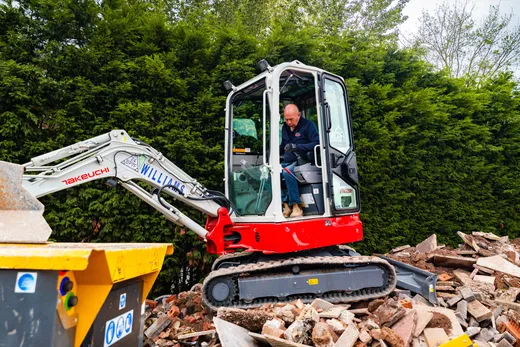
Break out lock-up bases, aprons and yard slabs on a back-land or infill site, then keep the crushed material for the new scheme.
Conversion strip-outs
Crush the ground-floor slabs, blockwork partitions and old screeds that come out when a shop, office or unit becomes flats.
Piling mats & access
Set the jaw coarse and lay the output as a working platform for the rig, or a temporary way into a tight site.
Car park sub-base
Reuse demolition arisings beneath residents' parking and bin stores, so less virgin stone comes in and less rubble goes out.
What property developers say about JTC
- ★★★★★
“From first contact, to delivery, to collection, the whole process was first class. Will definitely be back as our project progresses.”
Andy BradleyGoogle review - ★★★★★
“Have used Neil at JTC many times over the last 4 years and he’s always done a great job for us… we have some great recycled material that we haven’t had to pay to get rid of only to buy back in!”
Haygate Developments LtdDeveloperGoogle review - ★★★★★
“…transformed a redundant concrete slab and wall into a pile crushed rubble to be used again onsite. Bricks were separately crushed to be used for a green roof. Access was tight and constrained by working under a low roof. No problem.”
Huw RobertsGoogle review
If it’s hard and inert, the CR450 will crush it
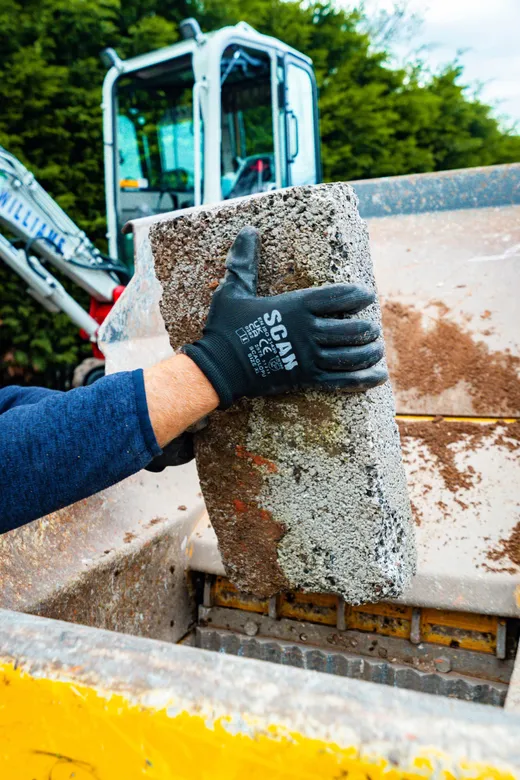
Concrete, bricks, blocks, paving slabs, paviours and tarmac can all be fed in and come out as graded aggregate you can reuse on the same job.
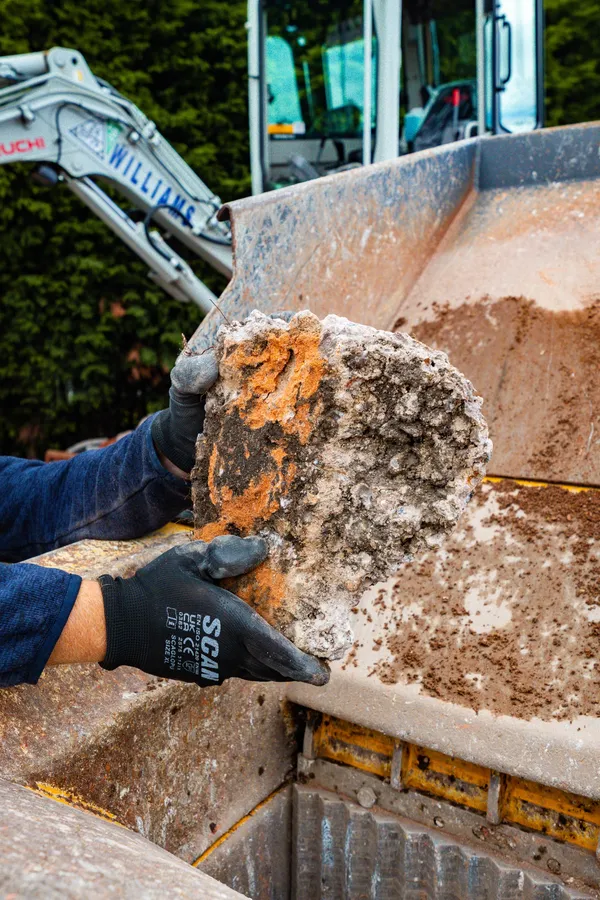 01ConcreteSlabs, footings, kerbs
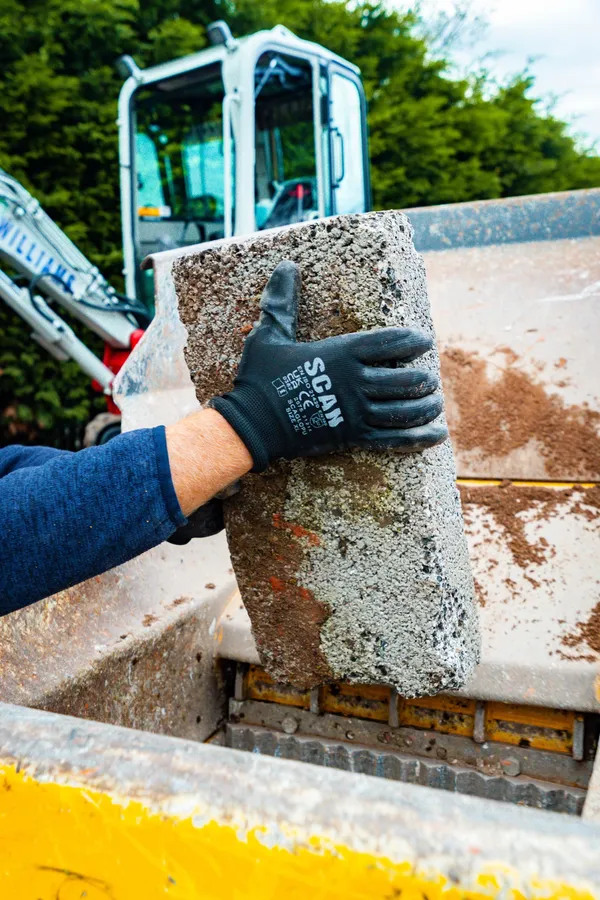 02BlockworkDense and lightweight block
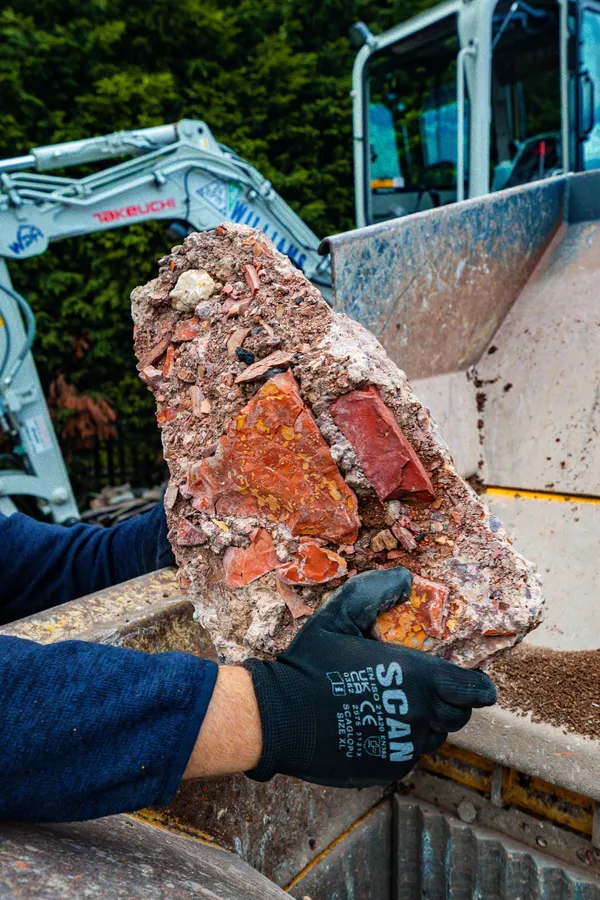 03BrickWalls, rubble, hardcore
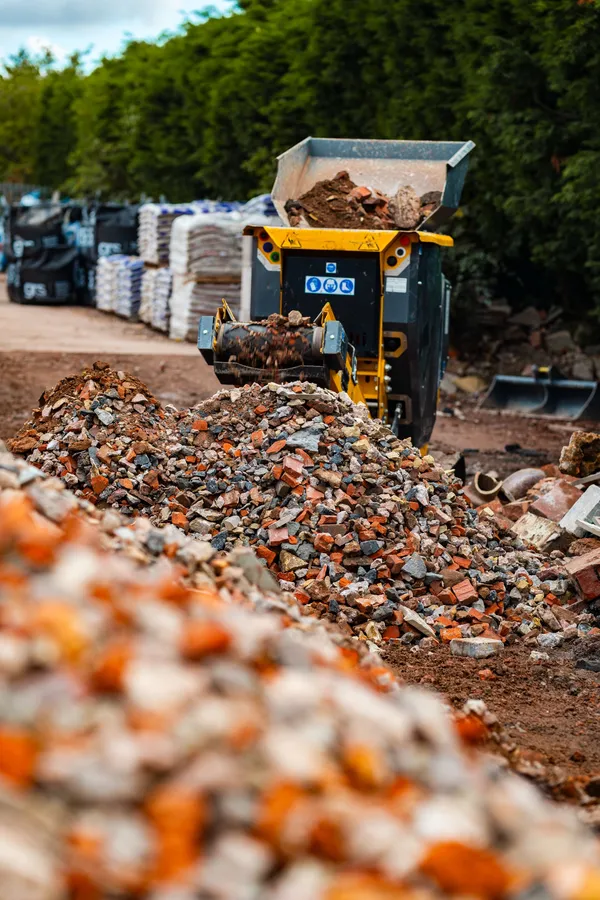 =Out comes aggregateGraded 3–55mm to suit the job
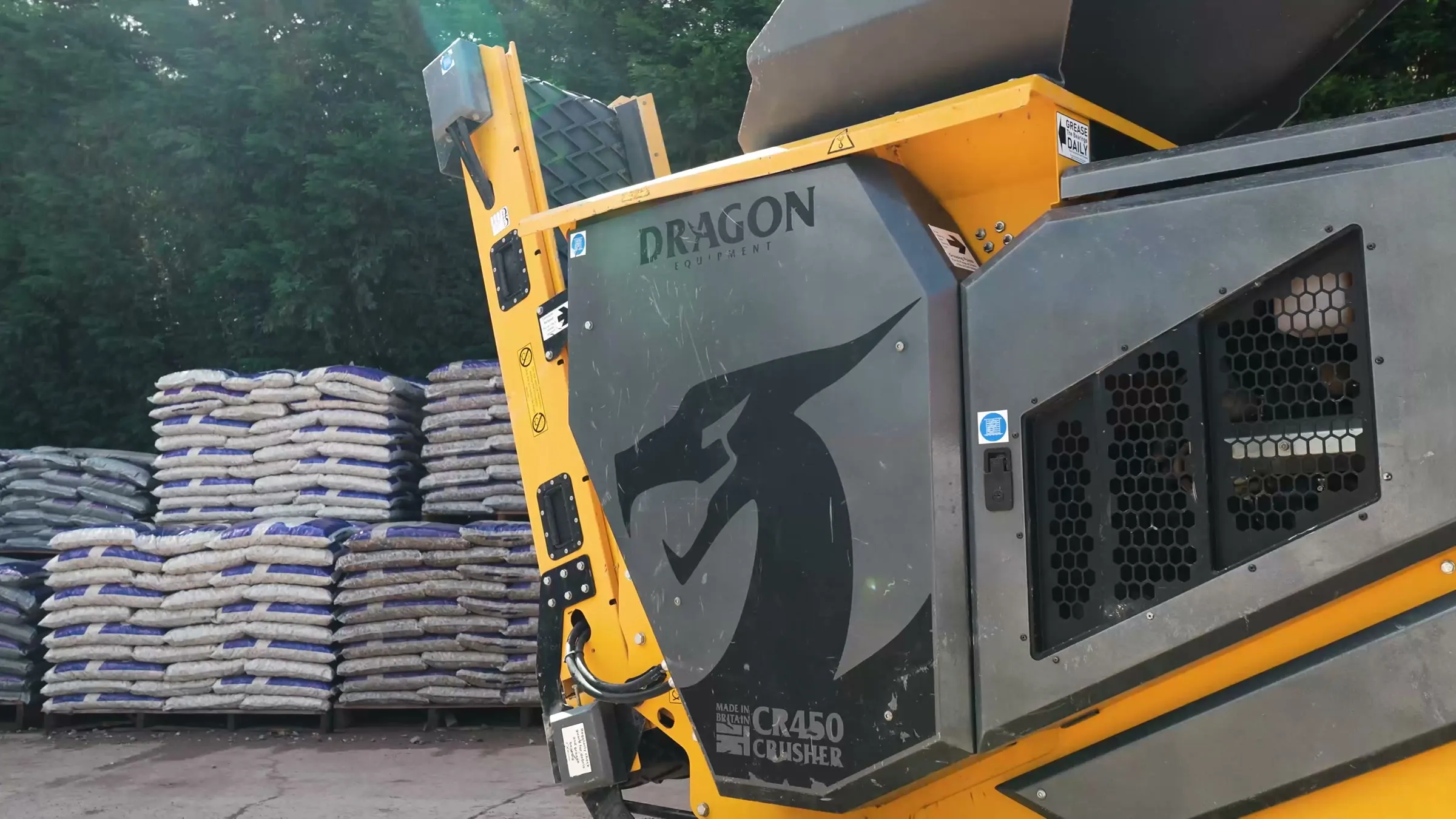
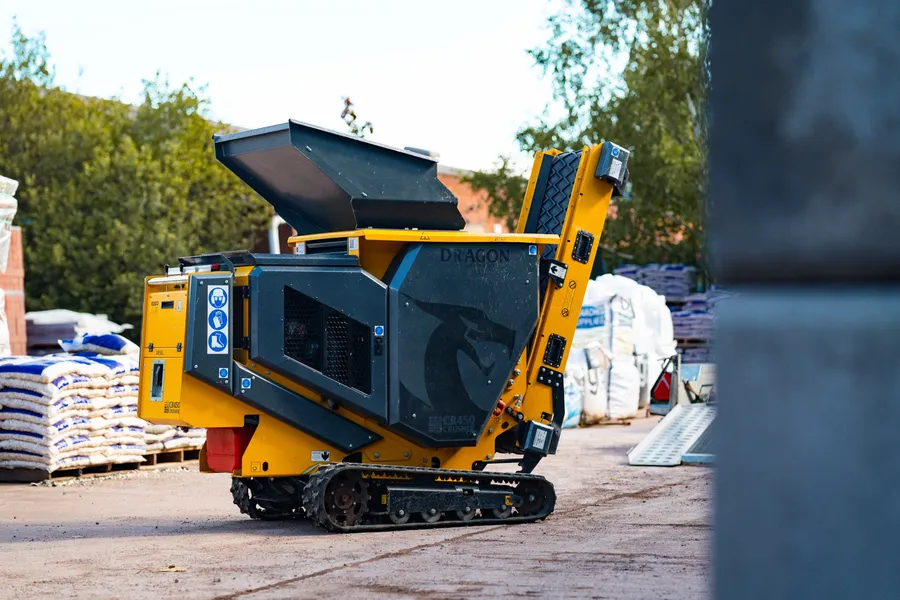
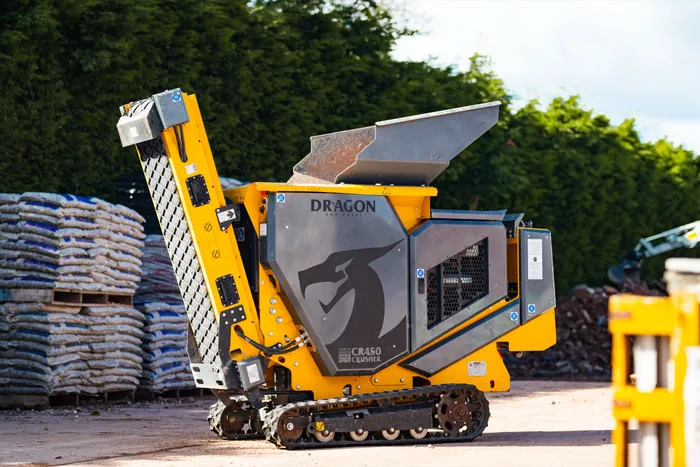
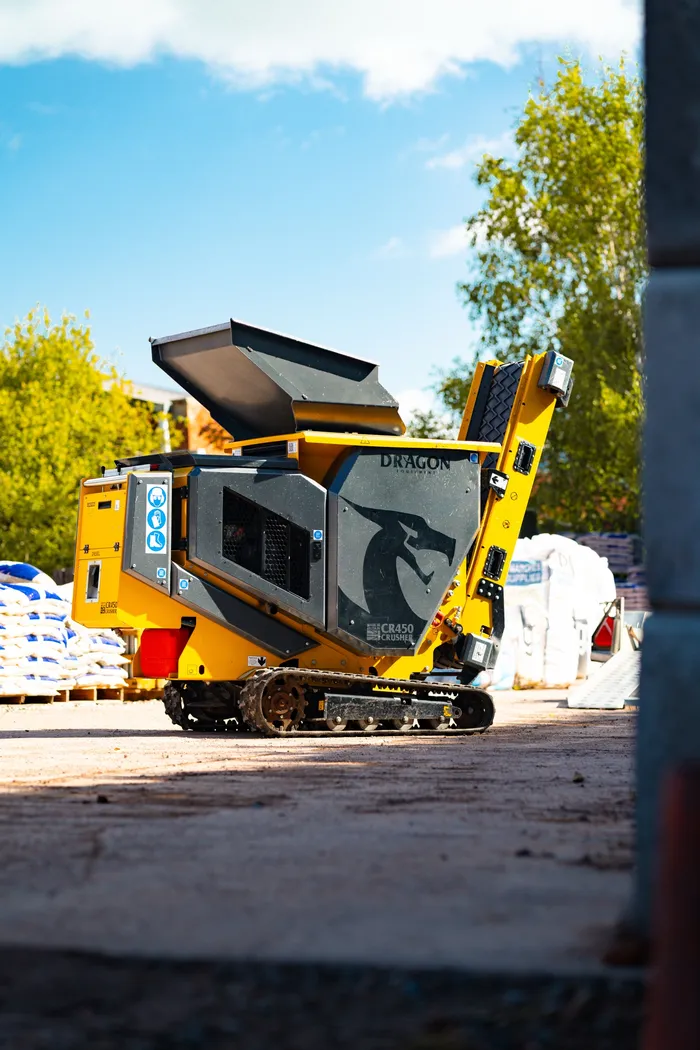
Dragon Equipment CR450
tracked diesel crusher
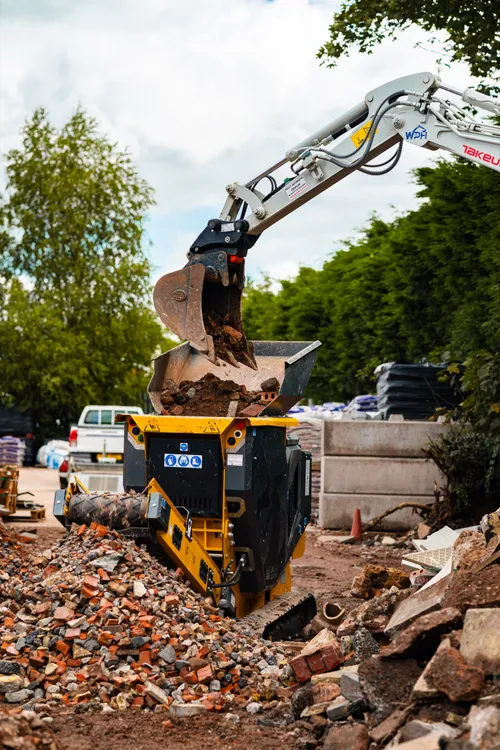
A compact, heavy-duty jaw crusher for demolition, recycling and aggregate production. It turns concrete, brick, stone and rubble into usable material, right where the job is.
Largest Hardox jaw in the range
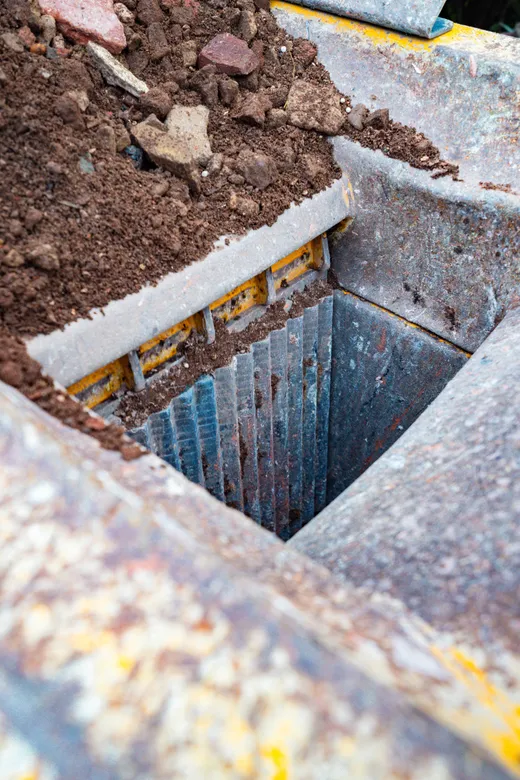
A 460 × 205mm mouth takes bigger pieces of concrete, brick and stone. The funnel is shaped for loading from a mini excavator.
Instant crush size, 3–55mm
Adjust the jaw in seconds, from fine material for bedding to coarse crush for hardcore and sub-base.
Kubota D722 diesel
A 19HP engine that’s fuel-efficient, low-emission and reliable, with electric start, anti-stall and auto reverse.
12+ hours on a tank
The 33 litre fuel tank keeps it crushing all day without stopping to refuel.
970mm wide, 1,450kg
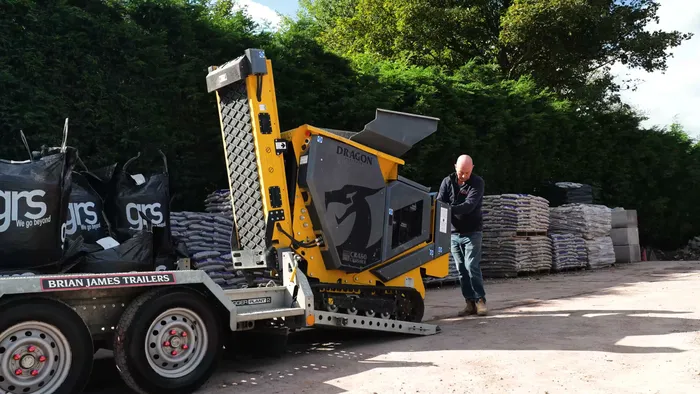
Narrow enough for tight sites and light enough to move on a trailer, which keeps transport costs down.
All-terrain tracks
Tracks give stable, low-impact movement over rough ground, so you can put the crusher where the waste is.
Full CR450 specification
- Width
- 970mm
- Length
- 3,235mm crushing / 2,515mm transport
- Height
- 1,396mm crushing / 1,880mm transport
- Weight
- 1,450kg
- Jaw mouth
- 460mm × 205mm (Hardox)
- Engine
- Kubota D722 diesel, 14.9kW (19HP)
- Feed height
- 1,396mm (1,780mm with the greedy board)
- Greedy board
- Fitted as standard
- Min. discharge height
- 1,035mm
- Crush size
- Adjustable 3–55mm
- Output
- 30–40 tonnes in an average day, depending on material
- Fuel
- 33L diesel tank, 12+ hours crushing
- Start
- Electric
Supplied with the greedy board fitted for faster loading of larger pieces. Fold-up conveyor for storage and transport.
Property development: common questions
Anything else? Add it to your booking request or call 07866 152 151.
Do I need a permit to crush on a development site?
Possibly. Crushing concrete, brick and tile with a machine can need a mobile plant permit, or a T7 exemption where the council treats it as minor. On a self-hire the person who hires and runs the crusher is treated as the operator. Check with your council about a T7 exemption or mobile plant permit before the crusher arrives, and tell us the site so we can talk it through.
What if some of the rubble still has to leave site?
You keep a duty of care for it. Each load needs a waste transfer note, or a document with the same details, and you keep a copy for two years. Landfill tax on clean concrete and brick is £8.65 a tonne at the lower rate in 2026/27, but mixed or contaminated loads can be charged £130.75 a tonne. Clean, crushed and reused on site, it pays neither.
Does Biodiversity Net Gain affect clearing the site?
In England, applications made from 6 August 2026 for sites of 0.2 hectares or less are exempt unless a priority habitat is affected. On bigger sites, clearing vegetation before the ecology survey does not help: habitat lost without permission since January 2020 is counted at its earlier value. Crushing deals with the hard standing, so get the green areas surveyed first.
Can I crush strip-out waste from a conversion?
Clean concrete, brick, block and stone crush well. Take out plasterboard, timber, metal, insulation and anything plastic first. Anything that might contain asbestos must be identified and dealt with before you start, because asbestos must never go through a crusher. Tell us what the building was used for and we can talk about what to expect.
Also hiring to
Ready to crush it on site?
Send us your dates and we’ll confirm availability. Or call and talk it through: what you’re crushing, how much, and what you want out the other end.